

Popular Area for Remote Working in Bali – There’s a reason Bali consistently shows up on every “best places for digital nomads” list. For years now, this island has captured the imagination of remote workers from across the globe—not just because of its tropical beauty, but because it offers something far richer: a complete lifestyle. If you’ve ever dreamed of swapping your home office desk for a seat overlooking rice fields or the sound of waves breaking in the background, Bali makes that dream surprisingly accessible.
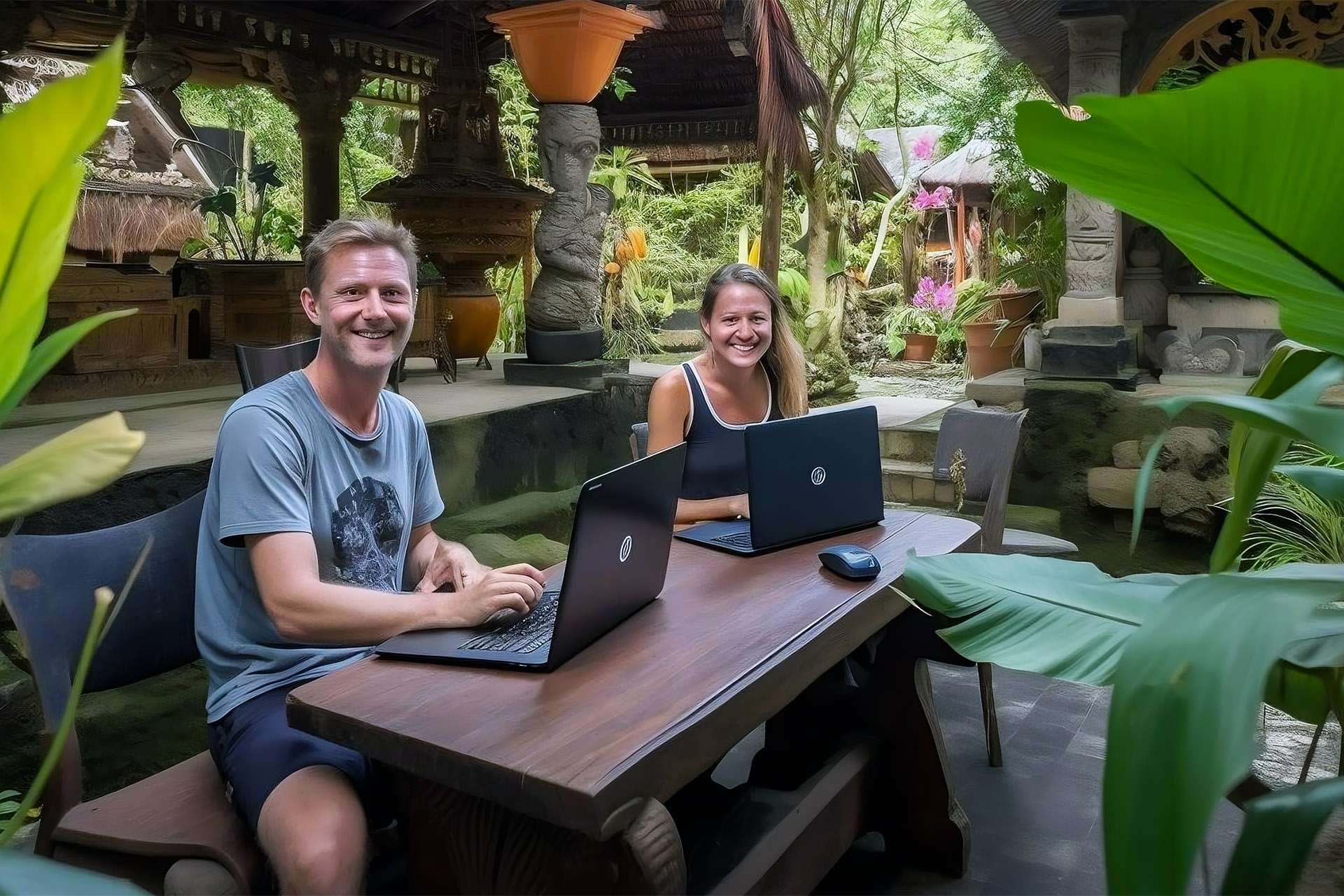
Bali as a Remote Work Haven
The Bali remote work lifestyle is a unique blend of affordability, community, and inspiration. Compared to other global hotspots, the island delivers incredible value for money. Comfortable accommodation, coworking memberships, and meals out at stylish cafés are often a fraction of what you’d pay in cities like Lisbon or Los Angeles. And beyond affordability, Bali delivers the kind of daily backdrop most people only get on vacation: morning surf sessions, afternoons of productivity in breezy coworking spaces, and evenings filled with sunset views and local flavors.
But what makes Bali truly stand out isn’t just its cost or its natural beauty—it’s the community.
The island has developed a reputation as one of the most popular areas for remote working in Bali thanks to its diverse gathering of entrepreneurs, creatives, and freelancers who find both inspiration and collaboration here. Networking happens organically, whether it’s at yoga studios, café tables, or beach bonfires. That sense of connection adds another layer to why Bali is more than just a destination; it’s a place where remote workers genuinely thrive.
Of course, Bali isn’t a one-size-fits-all island. Different areas cater to different types of remote workers, whether you’re seeking vibrant nightlife, a serene escape, or an oceanfront base for both work and surf. In this guide, we’ll break down the most popular areas across the island—each with its own character and advantages—so you can decide which part of Bali feels like your perfect match for both productivity and play.
Why Bali Appeals to Remote Workers
If you’ve been wondering where to work remotely in Bali, the short answer is: almost everywhere. What makes Bali stand out among digital nomad hubs worldwide is the full package it offers. It’s not just the scenery—though waking up to emerald rice fields or ocean views certainly doesn’t hurt—it’s the way the island has adapted to the needs of today’s remote professionals while still keeping its soul intact.
Let’s start with lifestyle. In Bali, your daily routine naturally balances productivity and wellbeing. Morning yoga or a surf session sets the tone, coworking hubs or café workspaces give you structure, and by evening you can wind down with sunset walks or dinner with new friends. The rhythm here is designed for people who want to do meaningful work without sacrificing quality of life.
Time zone also works in Bali’s favor. Situated at GMT+8, the island is in a sweet spot for collaborating across continents. Remote workers with teams in Europe, Australia, or even parts of Asia find the overlap comfortable—meetings don’t mean sleepless nights, and the workday can flow without constant disruption.
Connectivity, once a sticking point, has also taken a leap forward. Bali coworking spaces like Dojo in Canggu, Outpost in Ubud, and Tribal in Pererenan offer high-speed internet, quiet nooks, and even networking events. Many private villas and long-stay accommodations are now equipped with fiber-optic connections, making video calls and cloud-based work seamless.
And then there’s affordability. Compared to other global hotspots, Bali offers an exceptional standard of living at a fraction of the price. Whether you’re grabbing a smoothie bowl at a chic café, renting a motorbike to explore hidden corners, or securing a monthly villa rental with a pool, the costs are refreshingly manageable. This affordability creates a sense of freedom—remote workers can live comfortably while reinvesting in their projects, businesses, or personal growth.
All of this comes together to form a rare blend: a destination where work and lifestyle coexist beautifully. Bali doesn’t force you to choose between productivity and paradise—it lets you have both.
Canggu: The Epicenter of Bali’s Digital Nomad Scene
When people talk about the best areas for digital nomads in Bali, Canggu almost always tops the list. This once-sleepy coastal village has transformed into a buzzing hub where surfboards lean against laptops, and cafés double as office spaces. For many remote workers, Canggu is the first stop on their Bali journey—and sometimes, the place they never end up leaving.
What makes Canggu so magnetic? First, Canggu coworking culture is second to none. Iconic spots like Dojo Bali put the area on the map years ago, offering not just blazing-fast internet and ergonomic desks, but also community events that help solo workers connect. These days, you’ll also find sleek newcomers like BWork, which combines coworking with wellness facilities, and Tropical Nomad, a bright, open-air space that feels as social as it is productive. The variety means you can pick a base that matches your workflow—whether you want deep focus or networking opportunities.
Then there’s the café scene, practically designed for remote work. From minimalist smoothie bars to hip industrial-style coffee houses, you’ll never run out of options for places to plug in. Many cafés here understand the digital nomad crowd: stable Wi-Fi, plenty of outlets, and menus that cater to health-conscious eaters. Think smoothie bowls, cold-pressed juices, plant-based meals, and specialty coffee that rivals any global city.
Lifestyle perks also play a huge role. When the laptop closes, the fun begins: evening beach walks at Batu Bolong, surf sessions at Echo Beach, rooftop cocktails at sunset. Canggu blends productivity and play with effortless style, creating a daily rhythm that keeps people energized and inspired. Add to that boutique gyms, yoga studios, and social events, and it’s clear why the area feels like a community, not just a workspace.
But Canggu’s popularity comes with a price. Crowds and traffic are the two biggest pain points. At peak hours, navigating the narrow roads on a scooter can feel more stressful than serene, and the buzz that makes Canggu exciting can sometimes tip into overwhelming. For remote workers who crave a quieter backdrop, this can be a dealbreaker.
Still, despite its growing pains, Canggu remains the heart of Bali’s digital nomad scene. It’s where ideas are born over flat whites, where global friendships form at networking nights, and where many remote workers find their first taste of the Bali lifestyle. If you’re looking for an easy entry point into island life, with all the infrastructure a digital professional could dream of, Canggu is hard to beat.
Ubud: Culture, Wellness, and Remote Work
If Canggu is Bali’s beachside hustle, Ubud is its soulful counterpart. Nestled among rice terraces and jungle canopies, Ubud attracts those who want to blend productivity with wellness, creativity, and culture. For many, it’s not just a place to work—it’s a place to reset their lifestyle. No wonder the Ubud remote work community has grown steadily, drawing everyone from writers and designers to entrepreneurs and healers.
The Bali coworking spaces here feel different from the sleek setups in Canggu. Ubud’s work hubs lean toward eco-conscious and mindful designs. Hubud, one of Bali’s pioneering coworking spaces, helped put Ubud on the map with its bamboo interiors and community-focused events. Then came Outpost Ubud, a spacious and professional option that balances productivity with social connection. Even newer coworking cafés often feature open-air layouts, surrounded by jungle or rice fields, making “work with a view” the norm.
What sets Ubud apart is the lifestyle that wraps around the workday. Wellness is woven into daily routines: yoga studios on every corner, plant-based restaurants with nourishing menus, meditation workshops, and holistic healing practices that have made Ubud globally famous. For remote workers feeling burned out, the town offers a softer rhythm—morning yoga, productive afternoons in a leafy coworking space, and evenings of organic food or live gamelan music.
But Ubud is not without its quirks. The slower pace can feel magical for some, but frustrating for those who thrive on a faster, more urban energy. While internet speeds have improved greatly, connectivity can still be patchy in more remote spots. Traffic jams are a reality too, especially along Monkey Forest Road and other tourist-heavy areas. And while Ubud is less hectic than Canggu, it can get just as crowded in peak tourist seasons, particularly around the central palace and market.
For many digital nomads, though, these trade-offs are worth it. Ubud’s remote work community tends to attract people looking for deeper connection—both with others and with themselves. The networking scene is less about hustling and more about co-creating, often blending professional growth with personal transformation. It’s a hub for those who want to merge their careers with creativity, mindfulness, or sustainability.
If you dream of working from Bali surrounded by lush greenery, sipping herbal teas instead of flat whites, and finishing your day with a sunset yoga class instead of a beach party, Ubud might be your perfect match. It’s not just about getting things done—it’s about finding balance in one of the most enchanting corners of the island.
Seminyak: Blending Work and Upscale Living
If Canggu is about surfboards and scooters, and Ubud about yoga mats and jungle trails, then Seminyak is where the Bali remote work lifestyle takes on a more polished, cosmopolitan edge. Known for its chic cafés, boutique shopping, and glamorous beach clubs, Seminyak offers digital nomads an environment that feels more like a stylish city by the sea than a traditional village.
The Seminyak digital nomad scene may not be as massive as Canggu’s, but it has its own unique appeal. You’ll find cozy boutique coworking spaces and an array of upscale cafés where laptops are as common as latte art. Think stylish interiors, marble tables, and strong Wi-Fi alongside menus that lean toward modern fusion cuisine. For nomads who like their workspace with a touch of luxury, Seminyak delivers.
One of Seminyak’s biggest draws is its balance of work and play. By day, you can work in an elegant café or a small coworking hub, and by evening, you’re only steps away from world-class dining, rooftop bars, and iconic beach clubs like Ku De Ta or Potato Head. For remote workers who thrive on nightlife and social energy, this blend is a huge plus.
Of course, there are trade-offs. Seminyak is busier, noisier, and more expensive than many other Bali hotspots. Traffic can be intense, especially during high season, and the beach, while famous, isn’t as surf-friendly or laid-back as Canggu’s. This makes it less ideal for those seeking quiet escapes or budget-friendly long-term stays.
Still, for digital nomads who value comfort, style, and an upscale social scene, Seminyak is a fantastic option. It offers all the essentials—Wi-Fi, cafés, community—wrapped in a package that feels more like a boutique city break than a rural retreat. If your vision of remote work involves productivity by day and fine dining or cocktails by night, Seminyak fits the bill perfectly.
Sanur: Calm Seas and Long-Term Comfort
For remote workers who prefer calm over chaos, Sanur often feels like a hidden blessing. Unlike the trend-driven vibes of Canggu or the wellness focus of Ubud, Sanur is all about stability and ease. With its long stretch of sandy beach, peaceful promenade, and community atmosphere, Sanur is one of the most underrated yet popular areas for remote working in Bali—particularly among those planning longer stays.
The work setup here is refreshingly laid-back. While Sanur doesn’t have the same density of coworking hubs as Canggu or Ubud, you’ll still find a handful of cozy spaces with reliable Wi-Fi. Many nomads, however, set up shop in beachside cafés, where you can sip an iced coffee while watching the calm waters of the east coast. Unlike Bali’s wilder surf beaches, Sanur’s shoreline is protected by a reef, creating a tranquil lagoon perfect for swimming or paddleboarding in between work sessions.
Lifestyle is where Sanur really shines. The town has a slower rhythm—ideal if you’re balancing work with wellness, family, or simply a need for peace. Its flat beachfront promenade is perfect for morning jogs or sunset bike rides, and its restaurants range from local warungs to international dining, often at more affordable prices than in Seminyak or Canggu. Sanur is also a gateway to island-hopping: Nusa Penida, Nusa Lembongan, and the Gilis are just a boat ride away.
That said, Sanur doesn’t appeal to everyone. Younger digital nomads may find it too quiet, especially compared to Canggu’s buzzing social life or Ubud’s cultural scene. Nightlife is minimal, and coworking infrastructure is less developed. For some, this lack of a “scene” is a drawback; for others, it’s exactly what makes Sanur perfect.
If your idea of the Bali remote work lifestyle involves peace, steady routines, and the comfort of being by the sea without the chaos of tourist-heavy hotspots, Sanur is a strong contender. It’s especially popular with long-term workers, families, and those who want their Bali experience to be as stress-free as possible.
Pererenan: The Quieter Neighbor of Canggu
If Canggu is the life of the party, then Pererenan is the stylish friend who prefers quieter dinners and early morning surf sessions. Just west of Canggu, this up-and-coming village is quickly making its mark as one of the best areas for digital nomads in Bali who want the perks of Canggu’s infrastructure without the full-on chaos.
Pererenan’s charm lies in its balance. The rice fields are still here, the pace is slower, and the beach feels less crowded—yet you’re still close enough to Canggu’s coworking spaces, gyms, and cafés. Some digital nomads choose to base themselves fully in Pererenan, while others treat it as a retreat-like base, commuting to Canggu for meetings or events when needed.
While Pererenan doesn’t yet have the density of Bali coworking spaces found in Ubud or Canggu, new boutique hotels for remote working options are appearing, often integrated with cafés or wellness hubs. Many nomads simply set up their laptops in the growing number of trendy coffee shops, which mirror Canggu’s quality but with a more relaxed, community feel. The Wi-Fi is generally reliable, and with fewer crowds, it’s easier to focus.
Lifestyle perks are a big part of Pererenan’s rising popularity. The beach is popular with surfers, but it’s less busy than Batu Bolong or Echo Beach. The dining scene is blossoming too, with stylish restaurants and health-focused eateries popping up alongside traditional warungs. For many, it feels like “Canggu a few years ago,” with just the right amount of development.
Of course, there are trade-offs. Pererenan is quieter, which can mean fewer networking opportunities and less nightlife. If you thrive on being in the center of everything, it might feel too subdued. Rental prices are also climbing as the area becomes trendier, sometimes rivaling Canggu’s.
Still, for remote workers who want to dip into the energy of Canggu but retreat to a calmer home base, Pererenan is a sweet spot. It’s a place where you can surf at sunrise, work with rice field views, and end the day with dinner at a chic café—without feeling like you’re caught in the middle of a tourist rush.
Uluwatu: Surf, Sunsets, and Remote Work on the Cliffs
For remote workers chasing a mix of productivity and adventure, Uluwatu is quickly becoming a popular area for remote working in Bali. Perched on the dramatic cliffs of the Bukit Peninsula, this surf mecca offers a very different vibe from the beach clubs of Canggu or the rice fields of Ubud. Here, the pace is slower, the scenery more dramatic, and the lifestyle heavily influenced by the ocean.
The digital nomad scene in Uluwatu is still emerging, but it’s growing fast. You’ll find a handful of coworking cafés and dedicated spaces, often with panoramic views of the sea. While it doesn’t yet rival the coworking infrastructure of Canggu or Ubud, many nomads love the trade-off: fewer distractions, a laid-back crowd, and a close-knit community that thrives on surf culture. And with reliable internet now more widely available across the Bukit, working from a clifftop café or a stylish villa is easier than ever.
Lifestyle is where Uluwatu truly shines. Days here are often built around the waves—surf at dawn, work through the afternoon, then unwind with a sunset drink overlooking the Indian Ocean. Beyond surfing, Uluwatu is also home to yoga studios, health-conscious eateries, and some of Bali’s most iconic beaches, like Padang Padang and Bingin. The vibe is less polished than Seminyak and less hectic than Canggu—perfect for nomads who thrive on nature and inspiration.
But it’s not without its challenges. The area is more spread out, so getting around usually requires a scooter, and traffic on the peninsula’s narrow roads can build up quickly. The coworking and café options, while improving, are still limited compared to Bali’s main hubs. And while Uluwatu has developed rapidly in recent years, it can feel a little isolated for those who crave a bustling social or professional scene.
Still, for digital nomads who want their Bali experience infused with surf, sunsets, and a strong sense of freedom, Uluwatu offers something unique. It’s less about networking in coworking lounges and more about connecting with the ocean, the landscape, and a growing community of like-minded adventurers. If you’ve ever dreamed of sending emails with a view of endless blue waves, Uluwatu makes that dream a daily reality.
Beyond the Usual: Other Hidden Gems
While Canggu, Ubud, Seminyak, and Uluwatu dominate conversations about the best areas for digital nomads in Bali, there are plenty of lesser-known spots where remote workers can carve out a more unique experience. These hidden gems may not offer the same density of coworking spaces or bustling expat communities, but they appeal to nomads seeking a quieter lifestyle, closer ties to local culture, and often breathtaking natural surroundings.
Amed on Bali’s northeast coast is a paradise for divers and ocean lovers. Known for its shipwrecks, coral gardens, and tranquil pace, it’s an ideal spot if you want a work-life balance with diving or snorkeling at your doorstep. Internet speeds have improved, but coworking options are scarce, meaning most nomads set up from villas or homestays.
Sidemen, tucked into Bali’s lush eastern valleys, is a haven for nature seekers. With rice terraces rivaling Ubud’s beauty but without the crowds, Sidemen offers a retreat-like atmosphere. The rhythm here is slow, meditative, and deeply connected to Balinese traditions. However, those craving vibrant nightlife or frequent social gatherings may find it too quiet.
Lovina, on the north coast, provides another alternative. Known for dolphin tours and calm black-sand beaches, Lovina has a small but welcoming expat scene. Accommodation is affordable, and while coworking infrastructure is minimal, many long-term travelers enjoy the relaxed environment and scenic drives across the island’s mountains to get there.
These destinations come with trade-offs—fewer cafés, fewer coworking hubs, and more reliance on self-sufficiency. But for nomads who prioritize peace, affordability, and immersion in authentic Balinese landscapes and culture, they deliver experiences far removed from the hustle of Bali’s southern coast. In many ways, these quieter corners embody the original allure of Bali: an island where work and life flow seamlessly with nature.
Practical Tips for Remote Working in Bali
Before you pack your laptop and book that one-way ticket, it’s worth knowing a few practical tips for digital nomads in Bali. While the island is famous for its rice terraces, yoga studios, and beach sunsets, life here runs smoother when you understand the essentials.
First up: visas. Most remote workers start on a tourist visa, but for long-term stays you’ll want to explore options like the B211A visa or Indonesia’s newly introduced Second Home visa. Consulting a local visa agent is a smart move, as rules can shift and paperwork often needs careful handling.
Next is internet—the lifeline of remote work. Bali has come a long way in recent years, with fiber-optic connections available in many villas, cafés, and coworking spaces. Still, having a backup is wise. Grab a local SIM card from Telkomsel or XL, pair it with a portable hotspot, and you’ll rarely find yourself offline.
When it comes to accommodation, the Bali remote work lifestyle offers plenty of choices. Short-term visitors often book villas or guesthouses through platforms like Airbnb, while long-stayers negotiate monthly rates with landlords directly. Areas like Canggu and Ubud have a wealth of coworking-friendly villas, while Seminyak and Sanur provide more upscale or family-oriented options.
Lastly, community is everything. Bali isn’t just where you work remotely—it’s where you meet like-minded people. Whether it’s through coworking hubs, wellness retreats, or surf schools, tapping into Bali’s social fabric will make your stay infinitely more rewarding.
Family-Friendly Options: Bringing Kids Along
One of the most surprising things about Bali’s remote work community is how family-friendly it can be. Many digital nomads arrive solo, but plenty also bring partners and children, building a lifestyle that blends work with family time.
For parents, Bali offers a strong network of international schools and Montessori-style programs in areas like Canggu, Ubud, and Sanur. Shorter-term visitors can take advantage of kids’ clubs and enrichment programs, which allow little ones to thrive while parents stay productive.
When it comes to accommodation, villas are the go-to choice. Family-friendly remote working in Bali often means choosing a home base with enough space for kids to play and parents to carve out a quiet workspace. Villas with private pools, gardens, and reliable Wi-Fi make this balance achievable.
On the lifestyle side, Bali shines. Many cafés and restaurants are designed with families in mind, complete with play areas and kid-friendly menus. Meanwhile, weekend adventures—be it temple visits, snorkeling trips, or rice field walks—become shared family memories.
Of course, there are challenges: traffic can be chaotic, and healthcare requires knowing where the best clinics are. But overall, families find Bali not just manageable but deeply rewarding. It’s no wonder so many nomad families return year after year, or even make Bali a semi-permanent base.
Choosing Your Perfect Remote Work Base in Bali
At the end of the day, there’s no single “best” spot for everyone—it all depends on the kind of Bali remote work lifestyle you’re after. If you thrive in a buzzing community with networking events and coworking hubs on every corner, Canggu is the obvious choice. Prefer a more soulful balance of nature, wellness, and creativity? Ubud is calling. For those who want upscale cafés, stylish coworking spots, and nightlife just a walk away, Seminyak delivers. And if waves and wild clifftops fuel your productivity, Uluwatu could be your perfect match.
Of course, Bali’s magic lies in its variety. Beyond the major hubs, quieter towns like Sanur, Amed, and Medewi give you the option to slow down, reconnect, and build a work routine at your own pace. The beauty of this island is that you don’t have to commit to just one area—you can experience them all and see which rhythm fits best.
What’s certain is that Bali has earned its reputation as the most popular area for remote working in Bali isn’t one single town—it’s the island as a whole. A place where world-class surf meets serene rice fields, where yoga studios sit next to buzzing coworking spaces, and where inspiration is always just around the corner.
If you’re ready to take the leap and discover your own version of remote work paradise, start planning your stay now. And for families or surf-loving travelers looking for a balance of comfort, community, and style, Ohana Retreat Bali in Pererenan is a fantastic base to call home while you embrace everything this island has to offer.